

-
KIMS Conducts One-Day Training Programme on Snakebite Management for MBBS Interns and Graduates
-
KIMS Conducts One-Day Training Programme on Snakebite Management for MBBS Interns and Graduates
-
KIMS Conducts One-Day Training Programme on Snakebite Management for MBBS Interns and Graduates
-
KIMS Conducts One-Day Training Programme on Snakebite Management for MBBS Interns and Graduates
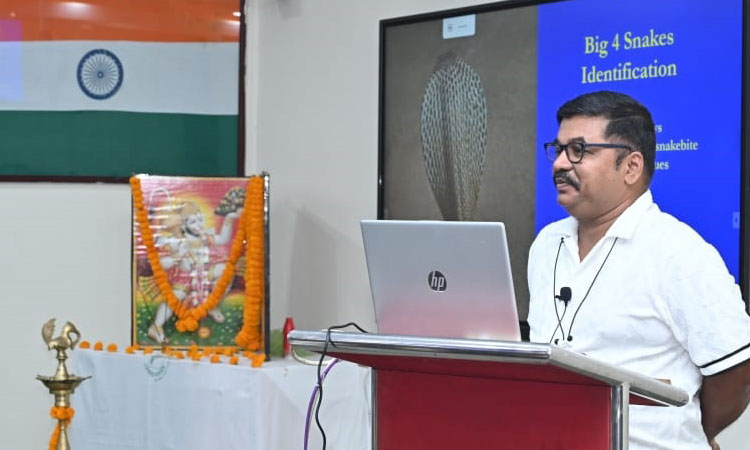
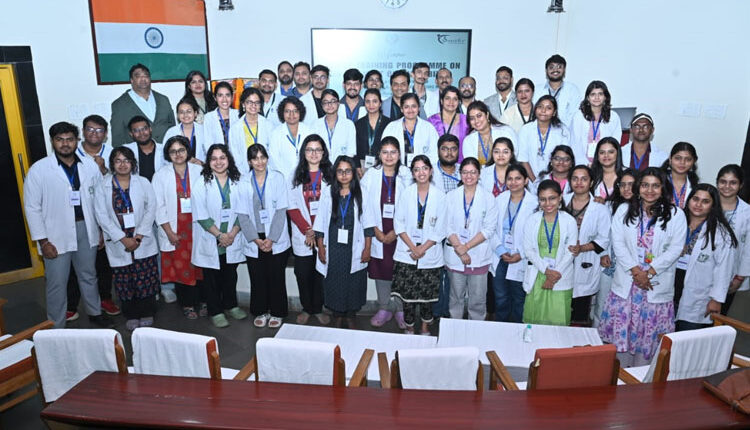
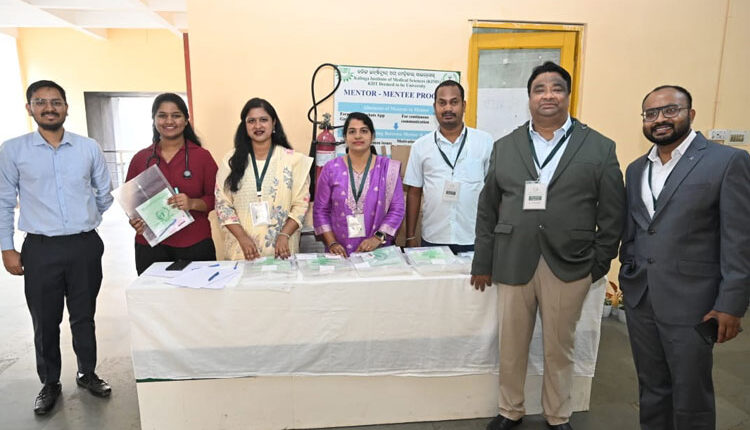
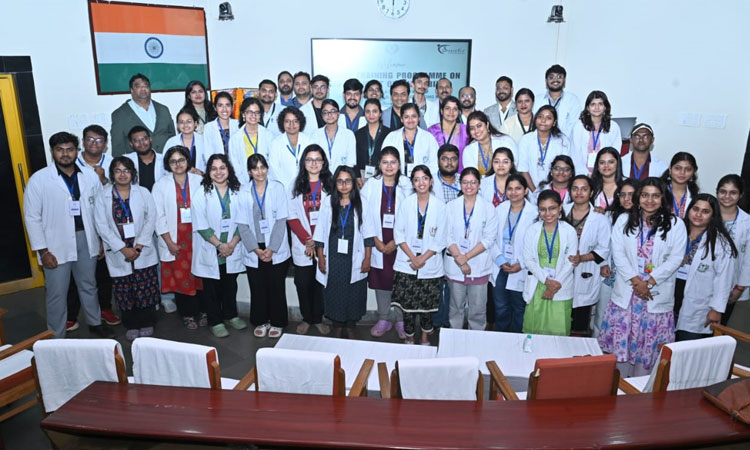
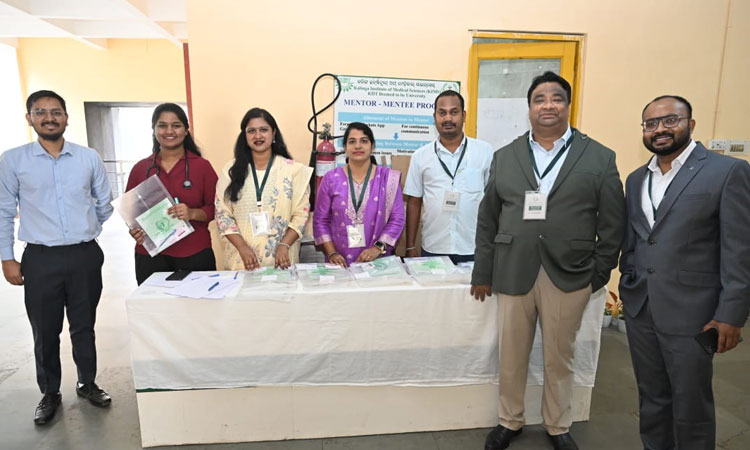
The Department of Forensic Medicine and Toxicology, KIMS successfully conducted a one-day training programme on Snakebite Management recently. The programme was designed for MBBS interns and graduates with the objective of bridging the gap between academic learning and clinical excellence in the management of snakebite envenomation.
The training curriculum was strictly aligned with the National Action Plan for Snakebite Envenoming (NAPSE) and the Standard Treatment Guidelines (STG) 2017. The primary focus of the programme was to equip frontline clinicians with protocol-driven, evidence-based care, contributing to the national goal of halving snakebite-related deaths by 2030.
The scientific proceedings were structured to ensure both theoretical understanding and practical competency. The day commenced with a pre-workshop assessment, followed by didactic academic sessions, an intensive hands-on skills workshop, and concluded with a post-workshop evaluation to assess knowledge gain and skill enhancement.
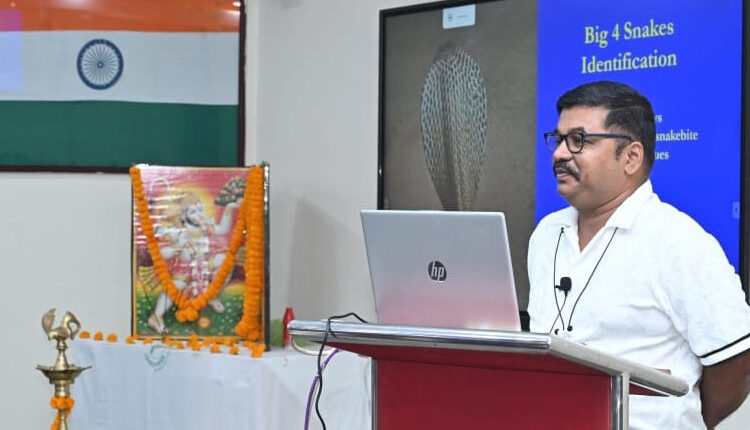
During the academic sessions, Dr. Basanta Kumar Behera, Professor in the Department of Community Medicine at KIMS, provided an overview of the epidemiology of snakebite envenomation and outlined the key components of NAPSE. Identification of venomous snakes was addressed by Mr. Subhendu Mallick, General Secretary of Snake Help Line, Odisha, who demonstrated the distinguishing features of the “Big Four” venomous snakes found in India. Clinical management aspects were covered through sessions by Dr. Siddharth Mishra, Professor and Head of the Department of Emergency Medicine, KIMS; and Dr. Asis Kumar Ray, Professor and Head of the Department of Forensic Medicine and Toxicology, KIMS. These sessions focused on systematic clinical approaches, early recognition of envenomation, and the rational administration of Anti-Snake Venom.
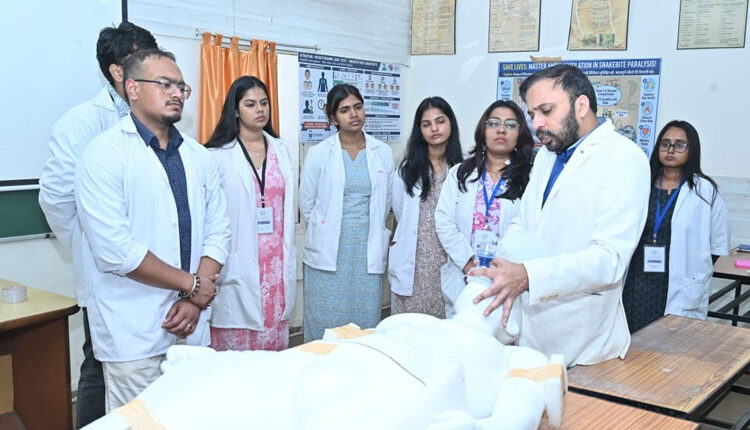
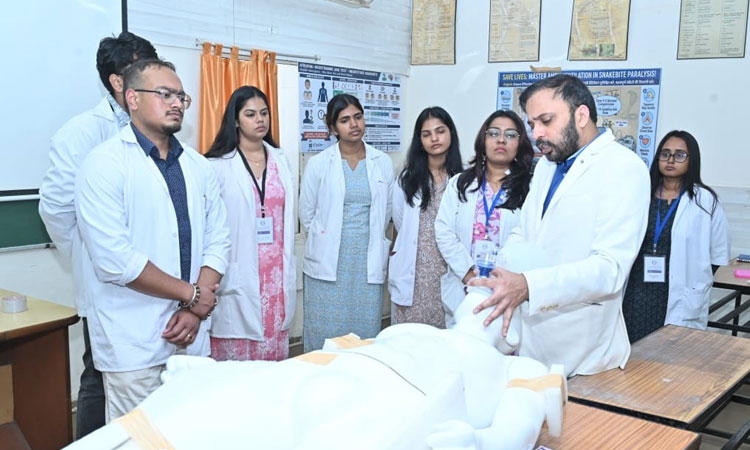
The hands-on workshop formed the core of the training, with participants rotating through five specialised skill stations. These included practical training on Anti-Snake Venom preparation, reconstitution, and intravenous administration; comprehensive clinical examination techniques such as the 20-minute Whole Blood Clotting Test and the Neck Lift Test; immobilisation methods and safe patient transfer protocols; management of anaphylaxis and related complications including adrenaline dosing and ventilator settings; and case-based problem-solving exercises covering neuroparalytic and hemotoxic envenomation, as well as paediatric and pregnancy-related snakebite cases.