

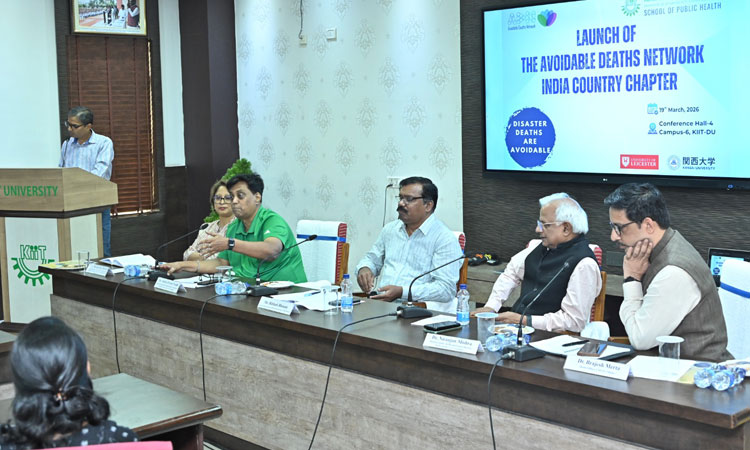
Launch of the Avoidable Deaths Network (ADN) – India
Country Chapter at KIIT School of Public Health
The KIIT School of Public Health (KSPH), KIIT Deemed to be University, hosted the official launch of the Avoidable Deaths Network (ADN) – India Country Chapter on 19 March 2026. The initiative brings together researchers, policymakers, practitioners, and students to advance research, policy dialogue, and public engagement aimed at reducing avoidable deaths in India, particularly in the context of disasters, climate risks, and health systems. The India Chapter is led by Dr. Pratap Kumar Jena, Professor, KSPH, and Dr. Ramya Pinnamaneni, Director, KSPH.
The programme commenced with a welcome address by Dr. Ramya Pinnamaneni, Director, KIIT School of Public Health, who highlighted the importance of addressing avoidable deaths as a public health and development priority. The event was attended by Prof. Jnyana Ranjan Mohanty, Registrar, KIIT-DU and Prof. (Dr.) K.D. Raju, Pro Vice-Chancellor, who emphasized the university’s commitment to interdisciplinary research and global partnerships that contribute to resilience and sustainable development.
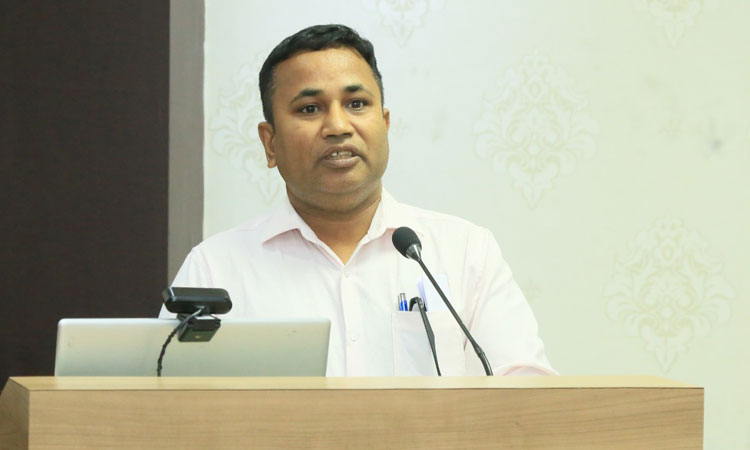
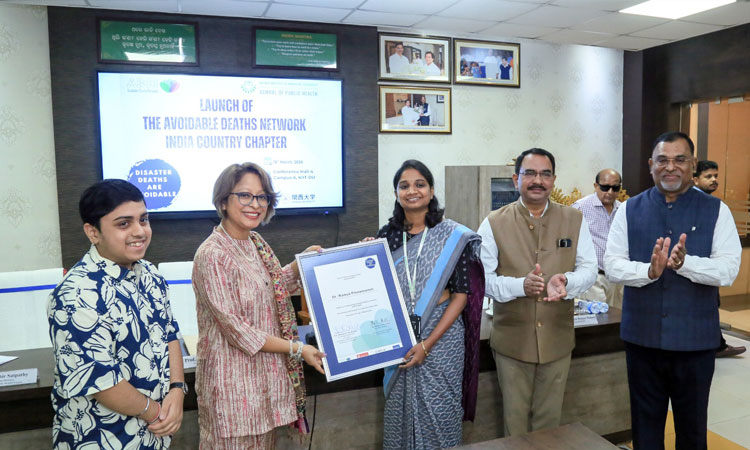
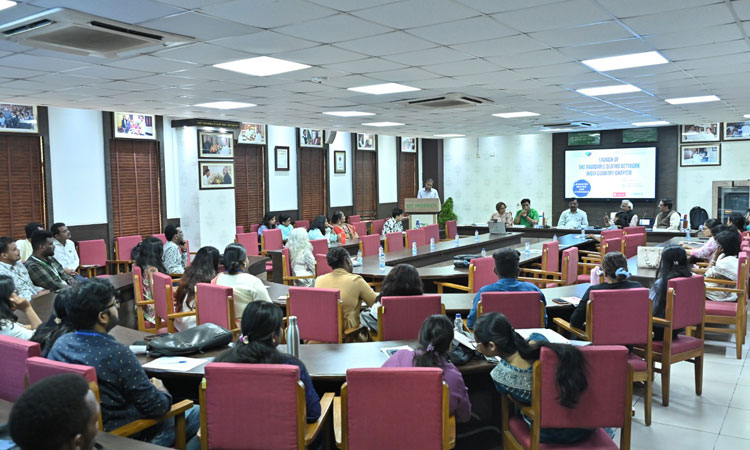
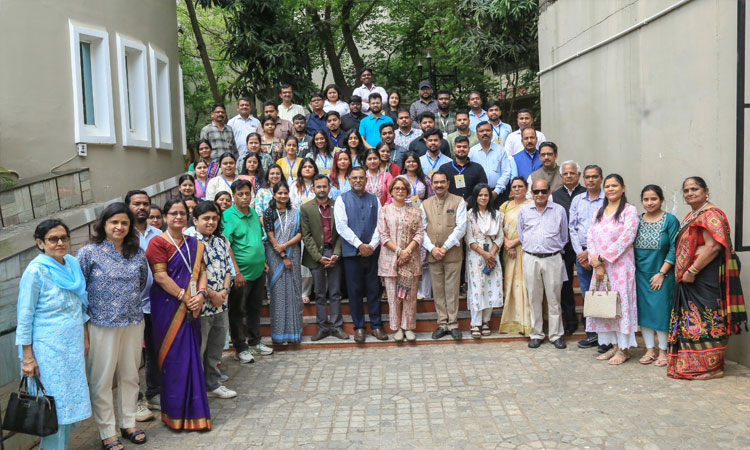
The global vision of the Avoidable Deaths Network was presented by Prof. Nibedita Ray-Bennett, Founding President and Convenor of ADN and Professor at the University of Leicester, UK, and Dr. Hideyuki Shiroshita, Founding President of ADN and Associate Professor at Kansai University, Japan, who joined the event to introduce the international collaboration underpinning the network. They praised the legendary work of Dr. Achyuta Samanta, Founder of KIIT, KISS & KIMS, for his contributions to education and social transformation, noting that his vision has enabled institutions like KIIT to contribute meaningfully to global public health and resilience initiatives.
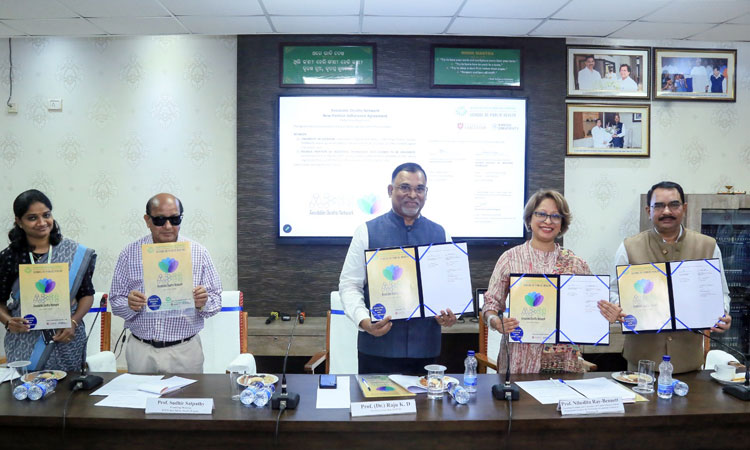
A key highlight of the event was the Adherence Agreement between KIIT Deemed to be University and the Avoidable Deaths Network, formally establishing KIIT School of Public Health as the host institution for the ADN India Country Chapter.
Professor Dr. Sudhir Kumar Satpathy, former Director of KSPH and Deputy Commissioner (NRHM), Government of India, and Dr. Niranjan Mishra, Director (Quality), KIMS, and former Director of Public Health, Government of Odisha, also addressed the ADN members, advisors, regional coordinators, and other delegates.
Dr. Pratap Kumar Jena, Lead for the India Country Chapter and faculty member at KSPH, set the context for ADN in India by sharing insights from his experiences on avoidable deaths due to snakebites and outlined the key priorities and agenda for the India Chapter.
The programme featured a panel discussion on “Exploring Avoidable Deaths in India”, bringing together experts including Dr. Niranjan Mishra; Dr. Brajesh Merta, Health Officer, UNICEF Odisha; Dr. Ambika Prasad Nanda, Head of CSR, Tata Steel, Odisha, and former Head, UNDP Odisha; and Mr. Bibhuti Bhusan, Senior Technical Advisor, DRM & Emergencies, UNDP Rwanda, moderated by Prof. Himanshu Sekhar Pradhan, Associate Professor, KSPH.
The event also included a roundtable discussion on priorities and strategies for the ADN India Chapter, with participation from academic, community, and policy experts, and a special session featuring voices from at-risk communities, highlighting local experiences and perspectives. The Junior Champions Initiative and Magazine were launched by Master Arkoneil Ghosh, reflecting the network’s commitment to engaging young leaders in awareness and advocacy. The event concluded with KSPH student volunteers identifying instances of avoidable deaths from everyday newspapers and committing to working towards preventing these through their work. This signals the network’s commitment to nurturing future leaders in public health and disaster resilience.
The launch marks an important step in strengthening research, collaboration, and public engagement on avoidable deaths in India. Through the ADN India Country Chapter, KIIT School of Public Health aims to build a multidisciplinary platform connecting academia, government, civil society, and international partners to advance evidence-informed action for preventing avoidable loss of life.